Non-UK Licensed Casinos: What the Licence Means
 Available in GB

A licence identifies the regulator behind an operator, but an overseas label does not mean the casino is authorised by the UKGC.
Table of Contents
- What a Casino Licence Actually Tells You
- How Offshore Casino Access and Withdrawals Work
- What “Best Licensed” Means When UK Safeguards Are Missing
- UK-Licensed Casinos and the Standard They Must Meet
- Anjouan Licences: Check the Limits Before You Trust One
- Curaçao Casinos, Crypto and Other Ways to Pay
- The Gambling Commission, UK Law and Your Position as a Player
- MGA and Malta: What the Jurisdiction Label Can—and Cannot—Tell You
- Casinos Without a UK Licence: What You Won’t Find in a List
- New Casino Names and Licence Checks: What to Verify First
- Casino Guides
What a Casino Licence Actually Tells You
A casino licence tells you which authority is responsible for regulating the operator. When a site is described as a non-UK-regulated casino, the key point is that it operates without oversight from the UK Gambling Commission (UKGC). It may still hold a licence elsewhere; “not regulated in the UK” does not automatically mean “unlicensed”.
That distinction is easy to miss when a site puts a licence badge in its footer. The badge may identify a regulator outside the UK, rather than show that the operator holds a UK casino licence. Those are different things. A licence label is a starting point for understanding the site’s regulatory position, not a shortcut for deciding that it is authorised to serve customers in Great Britain.
The jurisdictions most commonly associated with non-UK-regulated casinos include Malta, Curaçao, Gibraltar and Anjouan. They are separate places with their own regulatory arrangements. Seeing one of these names tells you where the licence is associated with, but it does not make the site UKGC-regulated. The same goes for a casino that calls itself “international” or says it is licensed online: those phrases do not, by themselves, identify who regulates it.
Read the regulator, not just the badge
When you come across a casino licence, look for the name of the authority behind it. “Licensed” on its own is incomplete: the useful question is licensed by whom? If the site names an overseas jurisdiction, that points to a non-UK regulatory relationship. It does not mean the UKGC has checked or approved the operator.
I would treat the wording on a homepage as a claim to understand, not as the whole answer. A badge can be prominent while the authority’s name is tucked into small print. And a jurisdiction label can sound reassuring without telling you much about the actual relationship between the operator and that regulator. Start by identifying the issuer; do not let the word “licensed” do all the work.
Casino Guides for UK Deposits, Licensing and Payments
There is also a difference between a casino’s branding and its regulatory status. A site may describe itself as a licensed online casino, but that phrase alone does not tell you whether its licence is from the UKGC or another authority. Nor does a familiar-looking design, a British-themed name or a UK-facing page settle the question. The regulator named in the licence information is the more relevant clue.
What “non-UK-regulated” means
The phrase describes the casino’s relationship with UK regulation: it is not under UKGC oversight. It does not mean that the operator has no licence anywhere, and it does not tell you, on its own, what rules apply in every place where the site can be accessed. The word “offshore” is often used casually for these sites, but it can blur the main point. The clearest distinction is whether the operator is regulated by the UKGC or by an authority elsewhere.
That matters because a licence is not a universal certificate. A licence associated with Malta, Curaçao, Gibraltar or Anjouan should not be read as interchangeable with a UK casino licence. Each label points to a different regulator. If a site lists more than one place or uses broad phrases such as “internationally licensed”, take a moment to work out which authority the wording actually refers to.
You may also see the phrase “new licensed online casino” in promotional copy. “New” describes the site’s presentation or its age as a brand; it does not change what the licence label means. The same basic check applies whether a casino is newly launched or has been around for longer: identify the regulator named, and distinguish that from UKGC oversight.
For now, keep the first check simple. Find the regulator’s name and note whether it is the UKGC or an authority in another jurisdiction. That gives you a clearer picture of what kind of casino you are looking at, without treating a licence badge as a blanket endorsement. A label is useful. It is not the whole story.
How Offshore Casino Access and Withdrawals Work
A non-UK-regulated casino may let you open an account and play with fewer deposit or withdrawal restrictions than you would encounter at a UK-licensed site. That can make the first steps feel straightforward. It does not tell you how smoothly a later cash-out will go.
Attention: A quick-looking deposit is no promise that a withdrawal will be just as quick, as processing times can vary from 24 hours to several weeks.
The key difference often appears after you request a withdrawal. The casino has to process the request under its own terms, and the time can depend on its procedures as well as the payment route. A quick-looking deposit is no promise that a withdrawal will be just as quick.
Published estimates disagree. One gives a typical window of 24 hours to five business days for withdrawals at Casinos not on GamStop, depending on the payment method. Another says a withdrawal from a non-UK-regulated casino can take three or four weeks. Those are not interchangeable expectations, and neither is a guaranteed deadline. The longer estimate matters because there is no UK regulatory clock requiring the casino to complete payment within that period.
Before you deposit, read the withdrawal terms rather than relying on a banner or a cashier page. Look for the stated processing time, any steps that can pause a request, and what happens if the casino asks for more information. Keep a copy of the relevant terms and your withdrawal confirmation. If the wording is vague, treat that as uncertainty, not reassurance.
An operator may also ask for identity or account checks before releasing funds. That can mean a withdrawal takes longer than the estimate shown on the site. In some cases, players report frozen accounts or demanding verification during a cash-out. I would not assume that a request is routine just because the casino accepted a deposit without delay. Save messages and records of what you submitted, and avoid sending documents through a channel you cannot verify as belonging to the operator.
Non-UK-Registered Casinos: What UK Players Should Know
Withdrawal limits can affect the process too. Some specialist reviews report that certain non-UK-regulated casinos cap withdrawals by day, week or month, meaning a larger win may be paid in instalments. That is not a rule for every site, and terms can change. Check the operator’s current rules for your account before you play; an impressive balance on screen is not the same as money already in your bank.
A practical check is to follow one request from start to finish: note when you submit it, whether the casino marks it as pending or approved, and when the money arrives. If the status changes or a new condition appears, keep the correspondence. Don’t cancel a pending withdrawal simply because a bonus or another offer appears, unless you understand what cancelling would do to the funds.
Fewer restrictions can sound appealing, but they shift more of the work onto you. You need to know which terms apply, what the operator can ask for, and how long you may have to wait if the process stalls. A licence label does not make a payout immediate, and a stated processing window does not guarantee that the request will clear within it.
If you are comparing sites, focus on the withdrawal rules and the operator’s handling of requests—not just on how quickly you can register or deposit. Where the terms leave room for delay, plan around that possibility. Keep money you may need soon out of the account. A cash-out is only complete when the funds have reached you.
What “Best Licensed” Means When UK Safeguards Are Missing
If you’re considering a casino that may not hold a UK licence, check its licensing status and terms before you play. The listed payout timeframe can help you assess one practical part of your choice.
1. NightWin
Payout speed: 1-3 business days You can expect payouts to take 1–3 business days.
2. SlotoSport
Payout speed: 1-3 business days You can expect payouts to take 1–3 business days.
3. Revery Play
Payout speed: 1-3 business days You can expect payouts to take 1–3 business days.
4. Zombillion
Payout speed: 1-3 business days You can expect payouts to take 1–3 business days.
5. Amunbet
Payout speed: 1-3 business days You can expect payouts to take 1–3 business days.
6. Dieselwin
Payout speed: 1-3 business days You can expect payouts to take 1–3 business days.
7. Britsino
Payout speed: 1-3 business days You can expect payouts to take 1–3 business days.
8. BeOnBet
Payout speed: 1-3 business days You can expect payouts to take 1–3 business days.
9. Chanze
Payout speed: 1-3 business days You can expect payouts to take 1–3 business days.
10. EvoSpin
Payout speed: 1-3 business days You can expect payouts to take 1–3 business days.
A licence can tell you that a casino is overseen somewhere. It cannot, by itself, tell you how well you will be protected if something goes wrong. That distinction matters when you are comparing sites described as the best licensed online casinos: “licensed” is not a complete verdict, and it does not mean the same safeguards apply everywhere.
For a UK player, the practical question is not just whether a casino displays a licence badge. It is what rules sit behind that badge, what help is available to you, and what happens if the operator and player disagree. A smart-looking site and a confident claim about regulation do not answer those questions. I would treat the licence as one part of the check, not the final score.
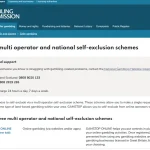
The gap can show up in responsible-gambling support. Non-UK-regulated casinos may have less stringent rules in this area than UKGC-licensed operators, and players at offshore casinos do not have access to the UK’s mandatory responsible-gambling tools. Do not assume you will find the same protections you expect at a UK-regulated site. In particular, check whether controls such as deposit limits and self-exclusion are available and how they work before you put money in. Casinos not on GamStop are not part of that UK self-exclusion scheme.
Responsible Gambling
Non-UK-regulated casinos may lack mandatory UK responsible-gambling tools, meaning you might not have access to the same protections and self-exclusion schemes like GamStop.
That is not a small detail to leave until later. If you rely on a limit to keep gambling within a set boundary, find out whether the casino actually offers one, whether it applies to your account, and how quickly it takes effect. If you need to block yourself from gambling, check what self-exclusion means on that particular site. A feature listed in general terms may not work like a UK tool, and a missing feature cannot be fixed by a reassuring licence logo.
There is a separate issue when a complaint cannot be settled directly with the operator. Players using an offshore casino lose access to the UK’s Financial Ombudsman Service. You should not assume that a UK complaints route will step in if terms are disputed or you feel a decision is unfair. The route available to you depends on the operator and the rules attached to its licence; that is worth understanding before a dispute arises, not while one is already dragging on.
Data handling deserves the same attention. Non-UK-regulated casinos may operate under less stringent data-protection rules than UKGC-licensed operators. Before sharing identity or payment details, read the site’s privacy information and consider what it says about collecting, storing and using your data. A polished design is not evidence of strong privacy standards. Dry, but true.
This is why “best” cannot sensibly mean “has a licence” or “accepts a particular payment method”. Those labels do not tell you whether meaningful player controls are available, what complaint options exist, or how your information is treated. A best licensed casino for one person may still be a poor fit for someone who depends on specific safeguards.
If you are weighing up a non UK regulated casino, look beyond the badge. Find the responsible-gambling settings, read the privacy policy and identify the complaint route before registering. If the explanations are vague, or you cannot tell what protection applies, take that uncertainty seriously. You are making the decision without some of the UK safeguards you may be used to. A licence is a starting point, not a safety net.
Safeguard Limitations
- A licence badge is a starting point, not a complete safety net.
- You may lack access to UK-specific responsible-gambling tools and deposit limits.
- The UK Financial Ombudsman Service is not available for disputes with offshore operators.
- Data protection rules may be less stringent than those required by the UKGC.
UK-Licensed Casinos and the Standard They Must Meet
For a casino to serve customers in Great Britain, its operator needs a licence from the UK Gambling Commission. Where the company is based does not change that requirement: an operator based abroad still needs the relevant UK licence if it serves this market.
That is the key distinction when you see a casino described as licensed. A licence from another jurisdiction identifies the regulator overseeing the operator there; it is not a substitute for UK Gambling Commission authorisation. So an overseas licence alone does not make a site a UK-licensed casino.
The licence has to match the market
Think of a licence as permission tied to a particular regulator and the market it oversees, not as a general passport to offer gambling anywhere. A casino might hold an overseas licence and still lack the UK authorisation required to serve customers in Great Britain.
This applies whether a site promotes itself as a licensed online casino, accepts a particular payment method or has a familiar brand. Those details do not answer the licensing question. Nor does the phrase “licensed casino” tell you, by itself, which regulator issued the licence or which market it covers.
Online casinos licensed in Curaçao or Anjouan, for instance, do not become UK-licensed simply because their sites can be viewed by someone in Britain. The relevant point is whether the operator holds a UK Gambling Commission licence for serving Great Britain. Different labels, different authority.
What “UK-licensed” means
When people talk about licensed UK casinos, they should mean operators authorised by the UK Gambling Commission to serve the British market. A licence from the Commission is the relevant one for that purpose; a licence issued elsewhere is not interchangeable with it.
This is also why casino licence requirements are not settled by a company’s registered location. An operator cannot avoid the British licensing requirement by running its business from overseas. If it serves customers in Great Britain, the UK licence requirement applies.
The distinction is straightforward, even if casino marketing makes it look less so. “Licensed” can sound like a complete answer, but without the name of the regulator it leaves out the part that matters. A site can be licensed somewhere and still not hold the authorisation required for Great Britain.
Keep the wording precise
You may come across phrases such as “internationally licensed” or “licensed online casino sites”. Treat them as descriptions, not proof of UK authorisation. The useful distinction is between a UK Gambling Commission licence and a licence from another jurisdiction.
That does not mean every overseas regulator has the same rules, or that every operator under one regulator behaves alike. It means only that the overseas licence and the UK licence are not the same thing. For customers in Great Britain, the operator’s base and its other licences do not replace the UK requirement.
A UK licensed casino, in this context, is not simply a casino that can be reached from a British internet connection or that displays a licence badge. It is an operator holding the UK Gambling Commission licence required to serve the market. The regulator matters. The market matters. The wording on the homepage comes after.
Anjouan Licences: Check the Limits Before You Trust One
An Anjouan casino licence is not permission to serve every country. In particular, it does not authorise an operator to run gambling services in the United Kingdom. A site showing this licence should not be treated as a UK-authorised casino simply because it displays a regulatory badge or accepts British customers.
That distinction matters if you are looking at a non-UK licence casino in 2026. A licence label tells you something about the operator’s claimed regulatory basis; it does not, by itself, establish that the operator may serve Great Britain. Before relying on the label, check the operator’s company name against the public licence register and check the entry’s status and expiry date. If the details do not match, or you cannot verify them, do not assume the badge proves what the site says it proves.
The bigger issue is what happens when something goes wrong. The Anjouan authority does not take up, mediate or decide individual player complaints. An Anjouan-licensed casino also does not offer an independent dispute-resolution route comparable to the approved ADR services available within the UK system. So if you and the operator disagree over a withdrawal or a term, there is no equivalent independent channel to take the case to under that framework.
The operator’s own complaint process is not the same thing. Anjouan’s rules require operators to respond to complaints within 30 calendar days, but that requirement does not mean the authority will adjudicate the dispute or make the operator pay. A reply is not a ruling. Keep copies of messages, account notices and relevant terms if you are already dealing with a complaint; they may help you explain what happened, but they do not create an independent appeal route.
Player funds are another point to check carefully. Anjouan’s framework does not guarantee that customer money is kept separate from the operator’s funds. If the operator fails, players are unsecured creditors. In plain terms, you cannot assume that money shown in your account has been ring-fenced for you or will be returned ahead of other creditors.
That is a material limit, not a technical footnote. A polished website, familiar games or a quick response from support cannot replace a complaint process or a guarantee about how player funds are held. “Licensed” is not a single standard; the practical protections depend on the regulator and the rules that apply.
I would not call an Anjouan licensed casino the best non-UK licensed casino on the strength of the licence alone. First establish exactly which company holds it, whether the public entry matches the site, and whether the licence is current. Then read the casino’s complaint and fund-handling terms with care. If you cannot verify the operator or understand what recourse you would have, that uncertainty is part of the risk. A badge is not a safety net.
Curaçao Casinos, Crypto and Other Ways to Pay
A Curaçao label may appear alongside several ways to fund an account, but the payment options depend on the individual operator. Non-UK-regulated casinos may take credit cards, e-wallets, bank transfers or cryptocurrency, sometimes using payment processors other than the ones familiar from UK-licensed sites. Treat the cashier as a practical list of what that particular site says it accepts, not as a promise that every route will suit your account.
Do
- Check the operator’s stated withdrawal routes
- Verify if account and payment details must match
- Read the payment terms for your specific method
Don’t
- Assume a deposit option means the same route is available for withdrawal
- Rely on a familiar logo as a payment guarantee
- Trust headline lists of logos without reading the small print
Crypto is one reason people look at a Curaçao licensed casino. Paying with cryptocurrency can get around the UK restriction on gambling deposits funded by credit cards. That does not make the payment risk-free or turn a crypto casino into a UK-licensed service. It changes the route the money takes; it does not settle what happens if the operator questions a payment or you cannot agree on a withdrawal.
I would check both sides of the cashier before sending anything. A deposit option does not, by itself, show that the same method is available for withdrawals. Look for the operator’s stated withdrawal routes, any conditions attached to them, and whether the account name and payment details must match. If the terms are vague, assume nothing. A familiar logo is not a payment guarantee.
Some specialist reviews have also reported casinos accepting deposits charged to a mobile phone bill or taken from a prepaid balance. That is a report about particular offers, not a dependable feature of Curaçao casinos as a whole; availability can change. Check the operator’s own current terms rather than relying on an old review.
The phrase “licensed crypto casino” can sound like a complete assurance, but it describes two separate things: a claimed regulatory status and a payment option. Neither tells you automatically whether a particular deposit route is available to you, whether it can later be used to withdraw, or what verification the operator may ask for. A request for cryptocurrency does not itself mean that an account is exempt from checks.
Before depositing, read the payment terms for the method you intend to use, not just the headline list of logos. Check what the operator says about accepted currencies, conversion, fees and withdrawal routes; if an important condition is unclear, ask before paying. Keep a record of the terms shown when you deposit. Payment details can look tidy on the cashier page. The small print still matters.
The Gambling Commission, UK Law and Your Position as a Player
The legal distinction is between the business offering gambling and the person using it. The Gambling Act 2005 is aimed at operators supplying gambling services to the UK market. It does not make an individual player the target of that licensing offence simply for placing a bet on a site without a UK licence.
That does not mean an overseas licence makes a casino authorised to serve people in Great Britain. Nor does it mean that gambling on a non-UK-regulated casino is the same as using a UK Gambling Commission licensed online casino. The operator’s position and the player’s position are separate questions.
For an individual, the practical point is narrower: UK law does not specifically ban British citizens from using gambling services licensed abroad, and playing on an unlicensed site is not itself a criminal offence for the player. That is not a recommendation to use one, or a promise that every dispute or account problem will have an easy remedy. You are responsible for checking the laws that apply to you and understanding what using an overseas service may mean.
Legal Status
UK law does not specifically ban British citizens from using gambling services licensed abroad, and playing on an unlicensed site is not a criminal offence for the player.
It is also worth keeping the language precise. A casino may describe itself as licensed, but that label alone does not tell you whether it has permission to serve the British market. A UK Gambling Commission licensed casino is a different category from a service regulated only in another country. If you are comparing a casino operating licence with an overseas one, do not treat the names as interchangeable.
I would avoid reading “not a criminal offence for the player” as “the site is approved”. Those are not the same claim. One concerns the individual’s exposure under criminal law; the other concerns whether the operator is authorised to supply gambling services here. Confusing them can make a risky choice sound officially endorsed. It isn’t.
So, if you are considering a casino outside the UK system, check what licence it actually holds, where it says it can operate, and whether its terms accept customers in your location. Then make your own decision with the limits of that protection in mind. The legal position for a player may be different from the operator’s licensing obligations; it does not turn an overseas licence into UK approval.
MGA and Malta: What the Jurisdiction Label Can—and Cannot—Tell You
Malta is one of the jurisdictions commonly associated with non-UK-regulated casinos, alongside Curaçao, Gibraltar and Anjouan. You may see a site describe itself as Malta-licensed or display the name of the Malta Gaming Authority (MGA). That tells you which jurisdiction the operator says its licence relates to; it does not, by itself, tell you whether the casino is authorised to serve customers in Great Britain.
Those are separate questions. A Malta label is not a UK Gambling Commission licence, and an MGA-licensed casino should not be treated as UK-authorised on that basis alone. For a player, the practical point is simple: don’t let a familiar regulator’s name blur the difference between an overseas licence and permission to operate in the British market.
I’d also avoid treating “MGA” as a verdict on the whole casino. The label alone does not tell you how a particular operator handles complaints, protects balances or applies its terms. Nor does it establish that every site using the label is currently licensed. You need to identify the operator behind the casino and check what its licence actually covers. A badge on a footer is a starting point, not the full picture.
The same applies if the casino is presented as a small operation or mainly as a mobile app. Size and format do not turn a Malta licence into a UK licence. An app is simply another way to access the service; the relevant question remains which company operates it and under what authorisation it offers gambling to customers in Great Britain.
When checking a Malta-licensed casino, look for a clear company name and a direct link to the regulator’s own information, rather than relying only on wording in the casino’s advertising. Make sure the named company matches the operator you are actually opening an account with. If the licence details are vague, inconsistent or hard to find, pause before depositing. That is a useful check, not a guarantee.
Malta’s place in the wider picture is therefore fairly narrow: it is a jurisdiction associated with non-UK-regulated casinos, and the MGA is its regulator. The label can help you identify the claimed licensing route. It cannot, on its own, establish UK authorisation or settle whether the site is suitable for you. A familiar name is not a shortcut.
Non-Gamban Casinos in the UK and Self-Exclusion
Casinos Without a UK Licence: What You Won’t Find in a List
A list of UK-licensed online casinos can be a useful starting point, but the list itself does not grant or confirm a site’s authority to serve customers in Great Britain. A directory may group casinos by the licence they claim to hold, or by how its publisher categorises them. That is not the same as UK Gambling Commission oversight.
The distinction is easy to blur. A non-UK-regulated casino operates without oversight from the UK Gambling Commission. It may hold a licence from another jurisdiction, but that does not make it UK-licensed. And a site appearing in a directory labelled “UK casinos” does not, on its own, establish that it has the relevant UK licence.
The key point is who the operator serves, not where its company is based. Operators serving customers in Great Britain need a UK Gambling Commission licence regardless of their location. So a list of casinos with no UK licence cannot be read as a list of sites authorised for the British market. It describes a different category.
That also means the phrase “licensed” needs context. It may refer to a licence issued outside the UK, rather than permission under UKGC rules. A directory entry can leave that difference unclear, especially if it uses broad labels such as “licensed casino” without stating which regulator is involved. Labels are not interchangeable.
If you are comparing a list of UK-licensed casinos with a list of non-UK-regulated sites, keep the two categories separate. One concerns operators under UKGC oversight; the other concerns sites that are not. A list can organise names, but it cannot turn an overseas licence into UK authorisation or substitute for the regulator’s role.
This is why a directory-style list should be treated as a collection of claims, not proof of status. The important distinction is not whether a casino appears on a page, or whether it uses the word “licensed”. It is whether the operator holds the UK Gambling Commission licence required to serve customers in Great Britain. Plain enough.
New Casino Names and Licence Checks: What to Verify First
A casino can be new to you without being new as a business, and “new” may simply be part of its marketing. Neither the launch date nor a fresh-looking website tells you whether the operator is authorised to serve customers in Great Britain.
For a new UK-licensed casino, check the operator behind the brand, not just the name on the homepage. The company name in the UK Gambling Commission’s public register should match the business named in the casino’s terms. If the site presents a different company or only points to an overseas licence, don’t treat that as confirmation of UK authorisation. Operators serving customers in Great Britain need a UK Gambling Commission licence, wherever they are based.
The same distinction matters when you see a new MGA-licensed casino. Malta’s regulator and the UK Gambling Commission are separate authorities; an MGA label is not a UK licence. A casino may describe itself as licensed in Malta, but that does not establish that it can serve the British market.
Before registering, look for the legal operator’s full name and check the relevant regulator’s register yourself. Make sure the licence entry belongs to that company, rather than a similarly named business. If the operator’s identity is hard to find, or the wording about its licence is vague, pause. A launch promotion is not evidence.
I’d also save the terms page and licence details you checked. If the site later changes its name or ownership, those records may help you see whether you are still dealing with the same operator. New branding is easy. Verifiable authorisation is the point.
Is it legal for a UK player to gamble at an Anjouan-licensed casino?
UK law does not explicitly prohibit you from using gambling services licensed abroad, and players who gamble on unlicensed sites do not commit a criminal offence. However, an Anjouan licence does not authorise the casino to operate in the UK; operators serving Great Britain need a UK Gambling Commission licence.
Can UK players legally play at casinos licensed in Anjouan?
UK law does not explicitly prohibit you from playing at a casino licensed abroad. But an Anjouan licence does not permit the operator to serve customers in Great Britain, where operators need a UK Gambling Commission licence.
How do casinos outside GamStop operate?
They operate outside the UK Gambling Commission’s oversight and are not part of the UK’s GamStop self-exclusion scheme. They may hold a licence from another jurisdiction, such as Anjouan, but that does not authorise them to serve customers in Great Britain.
What happens if I have a dispute with an Anjouan-licensed casino as a UK player?
The operator must respond to your complaint within 30 calendar days, but Anjouan does not mediate or decide player complaints. These casinos also do not provide an independent dispute-resolution route comparable to UKGC-approved services.
Can I complain to the Anjouan regulator if a casino won’t pay me?
You can raise a complaint with the casino, which must respond within 30 calendar days. The Anjouan authority does not handle, mediate or adjudicate player complaints.
Casino Guides

£1 Minimum Deposit Casinos in the UK: What to Check
A low entry point is only one part of the account’s rules for play, bonuses...
£10 Minimum Deposit Casinos in the UK: What to Check
A minimum deposit is only an entry threshold; payment options, casino rules and promotion terms...

£2 Minimum Deposit Casinos in the UK: Key Checks
A £2 balance may meet a casino’s deposit minimum, but withdrawal thresholds and account conditions...

£20 minimum deposit casino UK: what it means
A £20 minimum sets the threshold for adding money, while your account balance and withdrawal...

£3 Minimum Deposit Casinos in the UK: What to Check
A low cashier minimum can still sit alongside a higher withdrawal threshold, so deposit and...

£4 Minimum Deposit Casinos in the UK: What to Check
The cashier minimum is only a starting point: payment methods, bonus terms and withdrawal conditions...

£5 Minimum Deposit Casinos in the UK: What to Check
A low cashier minimum does not guarantee qualifying bonus terms, immediate withdrawals or extended play....

Anjouan Casino Licence in the UK: What It Means
Anjouan authorisation does not replace the UK Gambling Commission permission required to serve customers in...

Casino apps in the UK: Android app or browser?
Understand when a mobile browser is enough and what an installed casino app changes, from...

Foreign Casinos for UK Players: What to Know
A guide to how non-UKGC sites operate for British customers, including licensing, player protections, payments...

UK Instant-Withdrawal Casinos: How Payouts Work
Withdrawal timing can depend on casino processing, bonus terms, verification and the payment method used....

International Casinos for UK Players: What to Check
An overview of licensing status, bonus terms, payment considerations and protections that may differ outside...
Mobile Casinos That Take Phone Credit in the UK
Phone-credit payments route a casino deposit through a mobile provider, with the cost added to...

Best Offshore Casino Sites: What UK Players Should Know
A practical guide to licensing, player protections, payments and other considerations when foreign casinos accept...

Offshore Casinos for UK Players: Rules and Risks
The guide explains how licensing, payment terms, verification and bonus conditions can affect UK players...

British Casinos Not on GamStop: UK Guide
The label signals that a casino is outside GamStop, not that it is authorised to...

Casino Not on GamStop: Instant Withdrawals Explained
Withdrawal timing depends on checks, casino processing and the payment route, so an instant request...

Casino Sites Not Registered with GamStop UK: What It Means
UKGC-licensed operators must participate in GamStop, while sites outside its jurisdiction are not required to...

No-Verification Withdrawal Casinos in the UK: What to Know
“No verification” often refers to timing, since operators may ask for identity documents before releasing...

UK Casinos With No ID Verification: What It Means
“No ID” may mean checks are delayed, not waived; casinos can use automated checks or...

Casino Without Swedish Licence: Non-UK Status Explained
Non-UK casinos may hold licences from different jurisdictions, but those labels do not offer the...

Casinos Outside GamStop: UK Licensing and Protections
GamStop exclusion applies to participating UKGC-licensed operators, while sites outside the scheme may not offer...

Curacao Casino Licence UK: Legal Status and Risks
A Curaçao licence signals a non-UK regulatory arrangement, not UKGC authorisation or a guarantee of...

Fast Withdrawal Casinos in the UK: How Payouts Work
Payout timing depends on the method used and on the difference between casino approval and...

Gibraltar Casino Licence in the UK: What It Means
A Gibraltar licence identifies the operator’s licensing jurisdiction, while UK authorisation and site terms shape...

Jackpot Mobile Casino UK: Games, Odds and Checks
Jackpot labels cover different prize structures, while mobile access, payment checks and bonus conditions shape...

Merkur Casino Online UK: Games, Demos and Checks
Learn how a casino name differs from a game label, and what to check in...

Most Trustworthy Online Casinos in the UK: Licence Checks
A licence is the starting point for assessing a casino, while the operator behind its...

No account casino UK: what the label means
Understand what the label means and how checks, bonus terms, deposits and withdrawals affect the...

No-Minimum-Deposit Casinos in the UK: Payment Rules
A low cashier minimum may not apply to every payment method, and Bitcoin claims need...

Non-Gamban Casinos in the UK and Self-Exclusion
GamStop links self-exclusion across covered online gambling operators, while other exclusion tools and routes have...

Non-GAMSTOP Curacao casino sites: what to check
A Curacao location or licence claim does not establish whether a casino participates in GAMSTOP...

Non-GamStop European Casinos: UK Rules Explained
A European base does not determine whether an operator may legally offer remote gambling to...

Non-UK-Registered Casinos: What UK Players Should Know
Registration, foreign gambling licences and GamStop status are separate issues, with different implications for oversight...

Non-UK-Regulated Casinos: What UK Players Should Know
A casino licensed overseas is not UK-regulated; the operator’s regulator, rather than its branding or...
Non-UKGC Licensed Casinos: Licence Checks
A practical look at regulator status, offshore licensing, player protections and what falls outside UKGC...

Online casinos with an MGA licence in the UK
An MGA licence identifies Malta’s regulator, but does not establish that a casino is authorised...

Online Casino No Registration UK: Free Play Explained
Browser-based demo slots can show how a game works, but free play is separate from...

Online Casino with No Sister Sites in the UK
A sister-site link can reflect common ownership or shared technology without making two casinos identical...

Online Slots Not on GamStop: What Players Should Know
GamStop applies through participating UKGC-licensed businesses, while other sites may not apply the exclusion and...

Quick Withdrawal Casinos in the UK: What to Know
Withdrawal speed depends on more than the payment method, with casino processing, verification and bonus...

Safe Online Casinos in the UK: How to Check a Licence
A practical guide to checking operator details and assessing bonuses, protections, payments and game rules...

Same-Day Payout Casinos in the UK: What to Know
Delivery times vary by payment method, and a fast label does not guarantee an immediate...

UK Online Casinos: What “Highest Paying” Means
RTP offers a long-term comparison of game returns, while withdrawal speed and individual results are...

Casinos not on GamStop in the UK: what to check
GamStop applies to UKGC-licensed online services, while checks on licensing, safeguards and terms help clarify...

Trusted UK Casinos: How to Check a Casino Licence
Understand what UK licensing confirms and which operator, payment and bonus details need separate checks....

USA Casinos for UK Players: Licensing Explained
The American label does not establish a site's licence; UKGC status, payment terms and safeguards...

VPN-Friendly Casinos in the UK: Rules and Risks
A site may allow VPN connections, but that does not make it UK-regulated or provide...