Offshore Casinos for UK Players: Rules and Risks
 Available in GB

The guide explains how licensing, payment terms, verification and bonus conditions can affect UK players outside the UKGC system.
Table of Contents
- What “Offshore” Means for UK Players
- How to Read an Offshore Casino Site Carefully
- Crypto Deposits and Withdrawals: Speed Versus Volatility
- No-Deposit Bonuses and the Wagering Catch
- Free Spins: Check the Terms Before You Play
- If You’re in the UK, Know What Protections You Leave Behind
- When an Offshore Casino Accepts UK Players
- Bitcoin at Offshore Casinos: The Value Can Move
- Payouts: Timing, Verification and the Risk of No Recourse
- Offshore Licences and Who May Have an Interest
- Casino Guides
What “Offshore” Means for UK Players
In the UK gambling market, “offshore” does not simply mean that a casino’s website or company is based abroad. The important distinction is whether the operator holds a licence from the UK Gambling Commission (UKGC). An online casino that accepts British customers without that licence is a foreign casino in the UK context, even if its business is registered elsewhere or it presents itself as an international brand.
That distinction matters because licensing is tied to the market an operator serves, not just the country where it is based. A company can be licensed in another jurisdiction and still lack permission to offer gambling to customers in Great Britain. So when you see “offshore casino” or “non-GamStop casino” used in a UK-facing discussion, the label is about its position outside the UKGC system. It is not a guarantee of where the company is incorporated, where its staff work or which other regulator may oversee it.
The Gambling Act 2005 governs gambling in England, Scotland and Wales. Under that framework, an online operator offering gambling to customers in those parts of the UK must hold the relevant UKGC licence. Without it, the operator is acting unlawfully by providing those services. That is the operator-side rule: the duty to obtain permission applies to the business offering gambling, not to a British customer simply because they visit a foreign site.
Choosing an offshore casino as a UK player calls for careful checking of the details that matter to you. Use these verdicts as a starting point, and review each site’s terms before deciding.
1. NightWin
Payout speed: 1-3 business days NightWin lists a payout speed of 1–3 business days. You can use that timeframe as one detail to consider when assessing whether it suits you.
2. SlotoSport
Payout speed: 1-3 business days SlotoSport lists a payout speed of 1–3 business days. Check its terms to understand the conditions that apply to payouts.
3. Revery Play
Payout speed: 1-3 business days Revery Play lists a payout speed of 1–3 business days. This gives you a stated timeframe to factor into your choice.
4. Zombillion
Payout speed: 1-3 business days Zombillion lists a payout speed of 1–3 business days. Review the site’s terms for any details that may affect your payout.
5. Amunbet
Payout speed: 1-3 business days Amunbet lists a payout speed of 1–3 business days. You can consider this stated timeframe alongside the terms relevant to your needs.
6. Dieselwin
Payout speed: 1-3 business days Dieselwin lists a payout speed of 1–3 business days. Check the applicable terms so you know what to expect when requesting a payout.
7. Britsino
Payout speed: 1-3 business days Britsino lists a payout speed of 1–3 business days. Its stated payout timeframe is one point for you to consider when reviewing the site.
8. BeOnBet
Payout speed: 1-3 business days BeOnBet lists a payout speed of 1–3 business days. Review its terms to see what conditions apply to that timeframe.
9. Chanze
Payout speed: 1-3 business days Chanze lists a payout speed of 1–3 business days. You can factor this stated timeframe into your assessment of the casino.
10. EvoSpin
Payout speed: 1-3 business days EvoSpin lists a payout speed of 1–3 business days. Check the site’s terms for further payout details before making your choice.
For players, the legal position is different. There is no UK law that makes it a criminal offence for an individual to place a bet with an overseas operator, and the Act does not create a criminal penalty for doing so. Put plainly, the operator may be breaking the rules by offering its service to customers in Great Britain without a UKGC licence; that does not make the player’s act of placing a bet illegal.
I find that distinction easy to lose in casual conversation. “Unlicensed” can sound as if the customer is committing an offence too, but here it describes the operator’s position in the British market. The legal responsibility to hold a UKGC licence sits with the business. A player’s lack of criminal liability, though, should not be mistaken for a sign that an offshore site is approved for British customers.
The same boundary explains why an overseas licence and a UKGC licence are not interchangeable. A foreign regulator may issue a licence under its own rules, but that does not turn the operator into a UKGC-licensed casino. Nor does an offshore site become part of the British regulatory system simply because its pages are accessible from a UK address or it accepts a British payment method. Location, branding and accessibility can all make a site look familiar. The licence relevant to serving Great Britain is still the UKGC one.
Casino Guides for UK Deposits, Licensing and Payments
There is also a practical difference in oversight. Offshore casinos are not regulated by the UK Gambling Commission, so UKGC rules do not govern their conduct as operators serving British players. In particular, they do not have to carry out the affordability checks mandated by the UKGC. That is not a minor bit of paperwork: those checks are part of the protections attached to the regulated British market. A foreign site operating outside that system does not acquire those obligations just because a customer lives in the UK.
This is why I would separate two questions when looking at any casino: where is the operator based, and is it licensed by the UKGC to serve Great Britain? The first may tell you something about the company’s location. The second tells you whether it sits within the UK regulatory framework. Mixing them up can make a foreign licence sound like local authorisation when it is not.
None of that requires the player to treat every overseas website as identical. It does mean that the word “offshore” carries a specific warning in this market: the operator is outside UKGC regulation, and the protections and requirements attached to that system do not apply in the same way. You can be outside the UKGC framework without breaking the law as a player, while the operator’s decision to offer gambling to customers in Great Britain without the required licence remains unlawful.
Attention: An offshore casino is defined by its lack of a UKGC licence while accepting British customers, regardless of where the company is based.
So the cleanest reading is this: an offshore casino is defined by its lack of a UKGC licence while accepting British customers, not merely by its foreign address. The operator’s legal position and the player’s legal position are separate. Keep that line clear, and the terminology becomes much less slippery.
How to Read an Offshore Casino Site Carefully
A polished homepage can tell you how an operator wants to be seen. It cannot, by itself, tell you whether the business behind it is dependable. When you assess an offshore casino site aimed at UK players, treat its security and licence statements as claims to verify, not as a verdict.
Start with the basics. Does the site clearly identify the company operating it, explain how to contact customer support, and make its terms easy to find? Look for consistent details across the homepage, account pages and legal documents. If the operator’s name is missing, changes between pages or is hard to connect to the business named in the terms, pause. A neat logo does not fill that gap.
Security language needs the same care. Some non-GamStop casinos use encryption to protect information sent between your device and the site. That can help safeguard personal and financial data in transit, but it does not establish that the operator will handle your account fairly, protect information well once it reaches its systems, or pay a disputed balance. The lock symbol in your browser is not a character reference.
Best Offshore Casino Sites: What UK Players Should Know
Read the privacy policy as well as the sales copy. It should explain what information is collected, why it is used and how it may be shared. If the wording is vague, incomplete or inconsistent with the account process, you have little basis for judging how your details are handled. Avoid entering sensitive information until you understand what the site says it will do with it.
Then check what “licensed” means on that particular site. A specialist review may describe offshore casinos as licensed and regulated by reputable authorities, but that is a broad claim, not proof about every operator. Find the regulator named in the casino’s own terms and see whether the licence details can be matched to the operator. A badge alone is easy to display; it is the underlying company and the scope of its authorisation that matter.
Keep the key distinction in view: offshore casinos are not regulated by the UK Gambling Commission and do not have UKGC-mandated affordability checks. A foreign licence, even where genuine, is not a UKGC licence. Do not read a foreign regulator’s logo as evidence that the site is covered by the UK system or offers the protections that come with UKGC oversight.
Look for contradictions rather than relying on one reassuring sentence. The homepage might promise secure play while the terms reserve broad discretion over accounts or leave important procedures unclear. The privacy policy might name a different company from the one shown in the licence information. These details do not prove wrongdoing on their own, but they are reasons to slow down and seek clarification before sharing data or depositing.
Do
- Verify the operating company name and contact details
- Read the privacy policy for data handling terms
- Match the regulator named in the terms to the operator
Don’t
- Trust a site based solely on a polished homepage
- Assume a lock symbol guarantees fair account handling
- Treat a regulator’s badge as proof of UKGC oversight
Support is another useful test. Try to find a clear route to contact the operator and read how it describes complaints. A live chat icon is not evidence that a meaningful response will follow; the substance of the terms and the quality of the answer matter more. Ask a specific question about an unclear policy and see whether the reply addresses it, rather than repeating a generic assurance.
Be wary of language that substitutes confidence for detail: “fully secure”, “trusted” or “licensed worldwide” tells you very little without information you can check. The same goes for a page presenting itself as a definitive offshore casino list for the UK. Rankings and labels such as “legit” are not a substitute for checking the operator’s identity, licence claim, privacy information and terms yourself.
I use a simple rule: separate what the site demonstrates from what it merely says. A verifiable company identity, coherent documents and a clearly named regulator are more useful than a row of badges. If key details are absent or conflict, you do not have to solve the mystery. Leave the page.
Crypto Deposits and Withdrawals: Speed Versus Volatility
Crypto can make a deposit or withdrawal feel straightforward: choose a supported coin, send it from your wallet, and wait for the transaction to be processed. But a quick transfer is only one part of the decision. The value of the cryptocurrency can move while your balance is sitting at the casino or travelling back to you.
UK Instant-Withdrawal Casinos: How Payouts Work
A specialist review has reported crypto withdrawals from offshore casinos clearing in under an hour, faster than fiat withdrawals. Treat that as a reported outcome, not a promise about every operator or transaction. The casino may have its own checks and processing steps, and the payment network still has to handle the transfer. A delay can matter if the coin’s price changes during that time.
The value risk works both ways. Suppose you deposit crypto when its market value is one thing and later withdraw the same number of coins after the price has fallen: the amount you receive may be worth less in pounds. If the price rises, it may be worth more. The balance shown in your casino account does not remove that exposure. You are dealing with two separate things: the amount of crypto credited, and what that amount is worth when you convert or spend it.
I’d look at the full route before choosing crypto. Check which currencies and networks the cashier accepts, whether deposits and withdrawals use the same route, and what the site says about conversion into your account balance. Read the withdrawal terms as well as the deposit instructions; a payment option being visible at the cashier does not tell you how quickly a withdrawal will be handled. Keep your own record of the amount sent, the transaction details and the value in pounds at the time. That makes it easier to tell whether a difference came from the casino balance or from the market price.
Be precise when entering a wallet address and selecting a network. A transfer sent using the wrong details may not be recoverable. Also check whether your wallet or payment provider applies charges, since the amount arriving can differ from what you intended to send. These are practical checks, not a way to make the price stable.
Using cryptocurrency does not provide the safeguards or recourse available within the British licensing system, as offshore casinos are not regulated by the UK Gambling Commission.
There is a separate point for UK players: offshore casinos are not regulated by the UK Gambling Commission, and they do not provide UKGC-mandated affordability checks. Using crypto does not change that. A fast transaction is not evidence that the operator offers the safeguards or recourse available within the British licensing system.
Crypto may suit someone who already understands how to send and hold it, and who accepts that its pound value can change. If you would be unsettled by a withdrawal being worth less than the balance you expected, speed alone is a poor reason to choose it. Convenience has a price.
No-Deposit Bonuses and the Wagering Catch
A no-deposit offer can look like money you can use straight away. In practice, the headline amount is only one part of the deal. Before you register, find out what you must do to turn any bonus balance or winnings into cash you can withdraw. If the terms are hard to locate or unclear, treat that as a reason to pause, not a small-print puzzle to solve after you have accepted.
The same applies to an offshore casino welcome bonus tied to a deposit. A match percentage tells you how much bonus credit may be added; it does not tell you how much betting is required, which games count, or whether the bonus itself can be withdrawn. Read the full conditions before opting in. Pay particular attention to the wagering requirement and whether it applies to the bonus, your deposit, or both. Those details change what the offer is worth to you.
USA Casinos for UK Players: Licensing Explained
A specialist review gives a useful illustration: a £20 bonus with a 35x wagering requirement calls for £700 in qualifying bets before you can cash out. That is the turnover required, not a promise that you will retain the bonus or finish with a withdrawable balance. The distinction matters. A large-looking credit can come with a substantial amount of play attached.
The same review uses a deposit-match example: a 100% match on a £100 deposit, with a 35x wagering requirement, means £3,500 in bets before the bonus funds become withdrawable. The arithmetic is simple; the conditions around it are where you need to slow down. Check what counts as a qualifying bet, whether some games are excluded, and what happens if you withdraw before completing the requirement. Do not assume that every stake contributes equally.
With a no-deposit bonus, check whether you must make a later deposit before withdrawing, and whether there is a maximum amount you can cash out from the offer. Look for any expiry condition too. These are not details to infer from the banner: they need to be stated in the offer terms. If the site does not explain them clearly, you cannot sensibly judge the offer from its headline.
A specialist review has described foreign casinos as offering larger welcome packages because they are not bound by UKGC restrictions on bonus terms, wagering requirements and promotional language. That is not a reason to treat a larger figure as better value. These casinos are not regulated by the UK Gambling Commission, and they do not provide UKGC-mandated affordability checks. More generous-looking terms do not replace those safeguards.
Bonus Wagering
Step 1: Identify the bonus and requirement
A £20 no-deposit bonus with a 35x wagering requirement.
Step 2: Calculate the required turnover
£20 × 35 = £700 in qualifying bets.
Step 3: Evaluate the cash-out
Only after £700 in bets are placed can any bonus balance or winnings be withdrawn.
I would compare the offer with the amount of play its conditions demand, rather than comparing headline amounts across sites. If you would not choose to place the qualifying bets without the bonus, the offer may be doing more to shape your play than to benefit you. A bonus is optional; the terms are not. Read them first, and be prepared to walk away if the route from credit to cash is unclear.
Free Spins: Check the Terms Before You Play
Free spins are one of several promotion types a specialist casino-review source identifies at foreign casinos serving UK players, alongside deposit matches, no-deposit offers and cashback. That places them in a familiar promotional mix, but it does not mean every site offers them or that the terms are alike. Treat each offer as a separate set of rules, not as free play with no strings attached.
Start with the basics: which game the spins apply to, how many are offered and when they must be used. A promotion may be tied to a particular slot rather than being available across the games on the site. If you would not choose that game yourself, the headline offer may be less useful than it looks.
Then check what happens to any winnings. Read the terms for restrictions on which games you can use them on, whether a maximum cash-out applies and whether further play is required before funds can be withdrawn. These details determine the value of the offer in practice. The label “free” does not answer any of them.
Casino apps in the UK: Android app or browser?
Look for a time limit and the point at which the offer expires. Check whether you need to opt in, enter a code or meet another condition before the spins appear. If the rules are unclear, pause rather than assuming the casino will apply the interpretation that suits you. A missing detail is not a favourable detail.
The same care applies to the account itself. A foreign casino accepting British customers is not thereby a UK-licensed casino: offshore operators are outside UK Gambling Commission regulation and do not provide UKGC-mandated affordability checks. That matters beyond the promotion. A free-spin offer can draw attention to a small part of the experience while leaving the operator’s wider terms and protections out of view.
I would read the promotion page alongside the full bonus terms, then keep a copy of the wording shown when I opt in. Check that the rules on the offer page match the detailed terms, especially where they describe eligible games, expiry or the treatment of winnings. If they conflict, do not rely on the shorter, more attractive version.
Finally, decide whether the spins are worth accepting on their own terms. You do not have to claim an offer just because it is displayed. If the conditions are difficult to find, hard to understand or do not suit how you want to play, skip it. A promotion should be understandable before you start, not after.
Warning: Offshore operators are outside UK Gambling Commission regulation, meaning a free-spin offer may distract you from the lack of mandated affordability checks.
If You’re in the UK, Know What Protections You Leave Behind
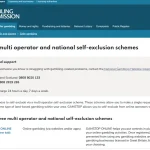
GamStop is designed to create a barrier across UK-licensed gambling sites. Once you register for self-exclusion, you are locked out of every operator covered by the scheme. That boundary matters: a foreign casino outside the UK Gambling Commission’s remit is not part of GamStop, so your exclusion does not automatically carry across.
A specialist casino review has reported that a player who has self-excluded through GamStop may still be able to register with a foreign casino and deposit without the safeguards that come with that scheme. The practical risk is plain: the block you set up to help you stop may not prevent access elsewhere. An account opening page is not a meaningful test of whether gambling is safe for you.
Offshore casinos are not regulated by the UKGC, and they do not have to apply the Commission’s mandated affordability checks. That does not mean every site behaves identically, but it does mean you should not assume UK rules follow you to a foreign operator. If you have excluded yourself because gambling is causing harm, a site’s willingness to accept a registration is no reassurance. It may simply be outside the system you relied on.
I would treat GamStop as a commitment worth protecting, not a hurdle to find a way around. If the urge to gamble is behind the search for offshore casino sites for UK players, pause before creating an account. Signing up elsewhere can undo the distance you deliberately put between yourself and gambling, while leaving you without the same UKGC framework.
That gap is easy to underestimate. You may recognise the same games or familiar payment options, but familiarity does not mean the operator is covered by UK protections. Nor does a foreign casino’s own sign-up process replace the exclusion you chose through GamStop. You are making a separate decision, outside that scheme.
If you have self-excluded, the safer next step is to keep the barrier in place and seek support rather than test whether another site will let you through. For someone searching for the best offshore casino for UK players, this is the point to step back: no ranking can make a non-GamStop site part of the scheme. The missing safeguard is the point.
When an Offshore Casino Accepts UK Players
A casino’s website loading in Britain does not tell you whether the operator is entitled to serve you. The important distinction is between being able to reach a site and the operator having permission to offer gambling here.
Remote operators offering gambling to customers in England, Scotland and Wales need a UK Gambling Commission licence, wherever the company is based. Without one, providing gambling facilities to British customers is unlawful. Advertising those services in the UK is unlawful too. A foreign licence does not replace the UKGC licence.
That boundary is about the operator. It does not mean a British player commits a crime simply by placing a bet with an overseas casino. The legal responsibility described here falls on a business that offers services into the market without the required authorisation. Keep those two points separate; they are often muddled.
Legal Status
Providing gambling facilities to British customers without a UK Gambling Commission licence is unlawful for the operator.
There is also a practical wrinkle. A report by gambling.com says some casinos licensed outside the UK are supposed to block British visitors, but do not enforce that restriction; it also notes that a basic VPN can bypass a block. That is a report about access controls, not permission to serve British customers. A site being reachable, or taking your registration, does not establish that it is lawfully operating here.
If you land on a foreign casino site, treat the country setting, registration form and payment page as signs of what the site will let you do—not proof of its UK status. A block that fails to appear is not a green light. Nor does a VPN change the operator’s licensing position.
I would not use “accepts UK players” as a recommendation in itself. It describes a site’s apparent behaviour, not its legal standing or the protections available to you. The key question is whether the operator holds the UKGC authorisation required to serve the British market. Offshore casinos do not fall under UKGC regulation, and they do not provide the UKGC-mandated affordability checks that apply to licensed operators. That matters even if the site looks polished and lets you through without a warning.
So, when you see an offshore casino accepting British registrations, read that as a clue to investigate—not as evidence that it is approved for UK customers. Access can be easy. The operator’s obligations do not disappear with it.
Same-Day Payout Casinos in the UK: What to Know
Bitcoin at Offshore Casinos: The Value Can Move
Bitcoin can make a deposit or withdrawal feel straightforward: you send or receive a digital asset rather than pounds moving through a bank. But the number of bitcoin units and their value in pounds are different things. The exchange rate can shift while you are playing, waiting for a withdrawal or deciding whether to convert the funds.
That means a balance that looks unchanged in bitcoin may be worth less in sterling by the time you cash out. It can also rise in value. Neither outcome is controlled by the casino, and a quick transfer does not protect you from a price move. Payment convenience and value stability are separate issues.
Before using Bitcoin, check how the casino displays your balance and settles withdrawals. Is your balance held in bitcoin, or shown in pounds and converted when you deposit or withdraw? What exchange rate and conversion charges apply? Those details affect how much reaches your wallet in practice. If the terms are unclear, pause rather than guessing; once a transfer is sent, sorting out a misunderstanding may be difficult.
A casino may also set bonus conditions around the amount deposited or played. Read how those conditions apply when Bitcoin is used, and whether any cash-out is converted or paid in the same currency. Do not treat a bonus as a way to offset price movement: the terms can restrict withdrawal, while Bitcoin’s value can change independently.
I would keep the decision simple: only use money you can afford to lose, and consider whether you are comfortable holding Bitcoin after a win. If you would immediately convert it back to pounds, the exchange rate at that point matters just as much as the amount shown on screen. A win is not the same as a fixed sterling sum.
A Bitcoin option alters how funds move but does not add UK protections or make the currency value predictable.
One point sits behind all of this: offshore casinos are not regulated by the UK Gambling Commission and do not provide UKGC-mandated affordability checks. A Bitcoin option does not change that. It may alter how funds move, but it does not add UK protections or make the value predictable.
Payouts: Timing, Verification and the Risk of No Recourse
The payment method gives you a rough guide to timing, not a promise. A specialist review of offshore casinos reports Skrill and Neteller withdrawals being cleared within a day, with some processed in less than half a day. Bank transfers are described as slower: they can take five to seven business days, and an operator may add its own processing time before the bank receives the payment. Treat those as reported timelines, not a deadline the casino is bound to meet.
Crypto can move faster once a withdrawal is approved. A specialist review reports some crypto withdrawals clearing in under an hour, but the operator’s checks and pending process can still hold things up. The value of the amount may also shift before you convert it; speed does not remove that risk.
Read the cashier and withdrawal terms before depositing. A specialist review notes that withdrawal limits, pending periods and verification steps differ considerably between operators. Check which payment methods are available for both deposit and withdrawal, what documents may be requested, and whether the site explains how long its own review takes. If the terms are vague, assume you may need to ask questions before money is at stake.
UKGC-licensed operators must verify a player’s identity before processing a withdrawal. Offshore casinos are not regulated by the UK Gambling Commission, so that requirement does not apply to them in the same way. They also do not provide UKGC-mandated affordability checks. You may still be asked to prove who you are, but the process and the route for challenging a decision depend on the operator.
International Casinos for UK Players: What to Check
The harder risk is a refusal to pay. Gambling.com has reported cases in which unlicensed sites withheld winnings, leaving customers without legal recourse. That is not just a delay: if the operator is outside UK regulation, you cannot rely on the UKGC to resolve the dispute. A fast payment option is no substitute for a dependable route to challenge a withheld withdrawal.
Offshore Licences and Who May Have an Interest
An offshore licence tells you that an operator has a licence from a regulator outside the UK. It does not make that operator UKGC-licensed, or authorise it to serve customers in Britain. Offshore casinos are not regulated by the UK Gambling Commission, and they do not have to carry out UKGC-mandated affordability checks.
That distinction matters even when a licence is genuine. Santeda, for instance, held a Curaçao licence, but that licence did not permit it to operate in the UK or the US. The place that issued a licence and the places where its holder may legally offer gambling are separate questions. A foreign regulator’s approval is not a substitute for permission to operate in the British market.
I would also look past the licence label to the business relationships behind a casino brand. In Santeda’s case, its contract with SIS gave SIS a percentage of revenue from losing bets made through Santeda brands. That is a concrete commercial interest in the money generated when customers lose. It does not, by itself, tell you how an individual account or withdrawal will be handled; it does show why a licence badge is only one part of the picture.
So when you see a casino described as licensed offshore, read that narrowly: it identifies an overseas licensing arrangement, not UKGC oversight. Nor does the word “regulated” in a site’s description change which regulator is responsible. Check what the licence actually covers, and keep the operator’s commercial arrangements in mind where they are disclosed.
A licence can matter. It is not the whole story.
Can I play at a casino licensed outside the UK?
Yes. UK law does not make it a criminal offence for you to bet with an overseas operator, but a foreign licence does not authorise that operator to serve customers in Great Britain without a UK Gambling Commission licence.
Are foreign casinos safe for UK players to use?
Not necessarily. Check that the operator is clearly identified and its terms and privacy policy are accessible; encryption can protect data in transit, but it does not guarantee fair treatment or payment of winnings.
Is it legal for UK residents to use casino sites that operate outside the UK’s licensing framework?
Yes, placing a bet as a player is not a criminal offence under UK law. The operator, however, acts unlawfully if it offers gambling to customers in England, Scotland or Wales without a UKGC licence.
What does wagering requirement actually mean in practice?
It is the amount you must bet on qualifying games before bonus funds can be withdrawn. For example, a 35x requirement on a £20 bonus means placing £700 in qualifying bets.
How do I know if an online casino is safe?
Check that the operator identifies its company clearly, provides contact details and makes its terms and privacy policy easy to find. Encryption may protect information in transit, but it does not prove the casino will handle your account fairly or pay a disputed balance.
What happens if I have a dispute with a foreign casino?
You may have limited recourse: some unlicensed sites have refused to pay winnings, leaving customers without legal recourse. A foreign licence does not bring the casino under UKGC oversight.
Are winnings from foreign casinos taxable in the UK?
No. Gambling winnings are not subject to UK income tax, whether the operator is UKGC-licensed or not.
Can I use cryptocurrency at foreign casinos from the UK?
Yes, some foreign casinos offer cryptocurrency as a payment option. Crypto withdrawals can be fast, but the value of the cryptocurrency can fluctuate.
Casino Guides

£1 Minimum Deposit Casinos in the UK: What to Check
A low entry point is only one part of the account’s rules for play, bonuses...

£10 Minimum Deposit Casinos in the UK: What to Check
A minimum deposit is only an entry threshold; payment options, casino rules and promotion terms...

£2 Minimum Deposit Casinos in the UK: Key Checks
A £2 balance may meet a casino’s deposit minimum, but withdrawal thresholds and account conditions...

£20 minimum deposit casino UK: what it means
A £20 minimum sets the threshold for adding money, while your account balance and withdrawal...

£3 Minimum Deposit Casinos in the UK: What to Check
A low cashier minimum can still sit alongside a higher withdrawal threshold, so deposit and...

£4 Minimum Deposit Casinos in the UK: What to Check
The cashier minimum is only a starting point: payment methods, bonus terms and withdrawal conditions...

£5 Minimum Deposit Casinos in the UK: What to Check
A low cashier minimum does not guarantee qualifying bonus terms, immediate withdrawals or extended play....

Anjouan Casino Licence in the UK: What It Means
Anjouan authorisation does not replace the UK Gambling Commission permission required to serve customers in...

Casino apps in the UK: Android app or browser?
Understand when a mobile browser is enough and what an installed casino app changes, from...

Foreign Casinos for UK Players: What to Know
A guide to how non-UKGC sites operate for British customers, including licensing, player protections, payments...

UK Instant-Withdrawal Casinos: How Payouts Work
Withdrawal timing can depend on casino processing, bonus terms, verification and the payment method used....

International Casinos for UK Players: What to Check
An overview of licensing status, bonus terms, payment considerations and protections that may differ outside...

Mobile Casinos That Take Phone Credit in the UK
Phone-credit payments route a casino deposit through a mobile provider, with the cost added to...

Best Offshore Casino Sites: What UK Players Should Know
A practical guide to licensing, player protections, payments and other considerations when foreign casinos accept...

British Casinos Not on GamStop: UK Guide
The label signals that a casino is outside GamStop, not that it is authorised to...

Casino Not on GamStop: Instant Withdrawals Explained
Withdrawal timing depends on checks, casino processing and the payment route, so an instant request...

Casino Sites Not Registered with GamStop UK: What It Means
UKGC-licensed operators must participate in GamStop, while sites outside its jurisdiction are not required to...

No-Verification Withdrawal Casinos in the UK: What to Know
“No verification” often refers to timing, since operators may ask for identity documents before releasing...

UK Casinos With No ID Verification: What It Means
“No ID” may mean checks are delayed, not waived; casinos can use automated checks or...

Casino Without Swedish Licence: Non-UK Status Explained
Non-UK casinos may hold licences from different jurisdictions, but those labels do not offer the...

Casinos Outside GamStop: UK Licensing and Protections
GamStop exclusion applies to participating UKGC-licensed operators, while sites outside the scheme may not offer...

Curacao Casino Licence UK: Legal Status and Risks
A Curaçao licence signals a non-UK regulatory arrangement, not UKGC authorisation or a guarantee of...

Fast Withdrawal Casinos in the UK: How Payouts Work
Payout timing depends on the method used and on the difference between casino approval and...

Gibraltar Casino Licence in the UK: What It Means
A Gibraltar licence identifies the operator’s licensing jurisdiction, while UK authorisation and site terms shape...

Jackpot Mobile Casino UK: Games, Odds and Checks
Jackpot labels cover different prize structures, while mobile access, payment checks and bonus conditions shape...

Merkur Casino Online UK: Games, Demos and Checks
Learn how a casino name differs from a game label, and what to check in...

Most Trustworthy Online Casinos in the UK: Licence Checks
A licence is the starting point for assessing a casino, while the operator behind its...

No account casino UK: what the label means
Understand what the label means and how checks, bonus terms, deposits and withdrawals affect the...

No-Minimum-Deposit Casinos in the UK: Payment Rules
A low cashier minimum may not apply to every payment method, and Bitcoin claims need...

Non-Gamban Casinos in the UK and Self-Exclusion
GamStop links self-exclusion across covered online gambling operators, while other exclusion tools and routes have...

Non-GAMSTOP Curacao casino sites: what to check
A Curacao location or licence claim does not establish whether a casino participates in GAMSTOP...

Non-GamStop European Casinos: UK Rules Explained
A European base does not determine whether an operator may legally offer remote gambling to...

Non-UK Licensed Casinos: What the Licence Means
A licence identifies the regulator behind an operator, but an overseas label does not mean...

Non-UK-Registered Casinos: What UK Players Should Know
Registration, foreign gambling licences and GamStop status are separate issues, with different implications for oversight...

Non-UK-Regulated Casinos: What UK Players Should Know
A casino licensed overseas is not UK-regulated; the operator’s regulator, rather than its branding or...

Non-UKGC Licensed Casinos: Licence Checks
A practical look at regulator status, offshore licensing, player protections and what falls outside UKGC...

Online casinos with an MGA licence in the UK
An MGA licence identifies Malta’s regulator, but does not establish that a casino is authorised...

Online Casino No Registration UK: Free Play Explained
Browser-based demo slots can show how a game works, but free play is separate from...

Online Casino with No Sister Sites in the UK
A sister-site link can reflect common ownership or shared technology without making two casinos identical...

Online Slots Not on GamStop: What Players Should Know
GamStop applies through participating UKGC-licensed businesses, while other sites may not apply the exclusion and...

Quick Withdrawal Casinos in the UK: What to Know
Withdrawal speed depends on more than the payment method, with casino processing, verification and bonus...

Safe Online Casinos in the UK: How to Check a Licence
A practical guide to checking operator details and assessing bonuses, protections, payments and game rules...

Same-Day Payout Casinos in the UK: What to Know
Delivery times vary by payment method, and a fast label does not guarantee an immediate...

UK Online Casinos: What “Highest Paying” Means
RTP offers a long-term comparison of game returns, while withdrawal speed and individual results are...

Casinos not on GamStop in the UK: what to check
GamStop applies to UKGC-licensed online services, while checks on licensing, safeguards and terms help clarify...

Trusted UK Casinos: How to Check a Casino Licence
Understand what UK licensing confirms and which operator, payment and bonus details need separate checks....

USA Casinos for UK Players: Licensing Explained
The American label does not establish a site's licence; UKGC status, payment terms and safeguards...

VPN-Friendly Casinos in the UK: Rules and Risks
A site may allow VPN connections, but that does not make it UK-regulated or provide...